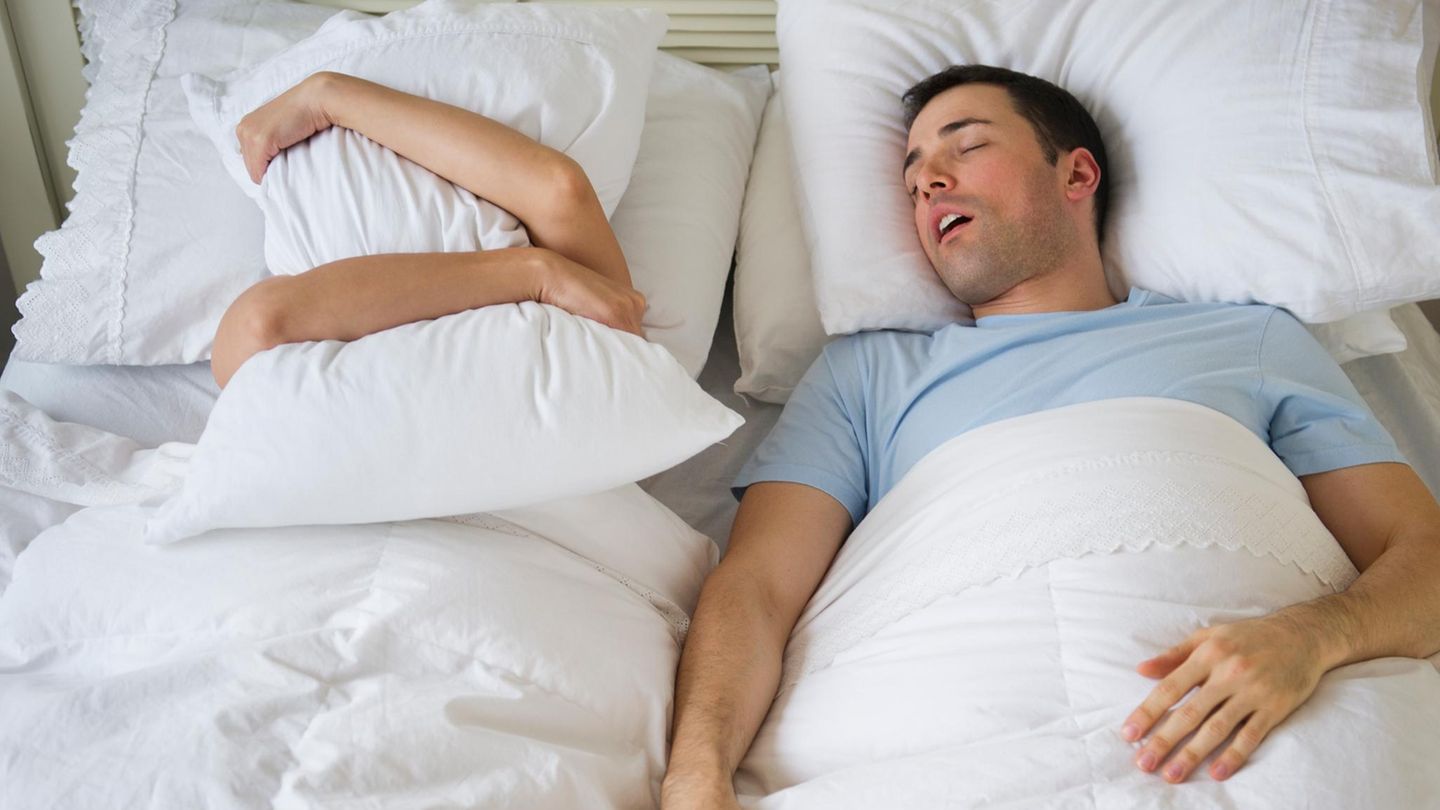
Stop Snoring Now: Simple Lifestyle Changes and Medical Solutions
Snoring is far more than just a nocturnal nuisance; it’s a widespread issue affecting approximately 60% of men and 40% of women occasionally or regularly. For those who snore, and especially for their bed partners, it can severely disrupt sleep quality, leading to daytime fatigue, irritability, and even relationship strain. The persistent rumble, sometimes escalating to a roar, often prompts the urgent question:
Was Hilft Wirklich Gegen Schnarchen? Or, in plain English, what really helps against snoring? This comprehensive guide will delve into the underlying causes, explore effective lifestyle adjustments, reveal various medical and technical solutions, and help you determine when it's time to seek professional advice.
Understanding the Root Cause: Why Do We Snore?
Before we can effectively tackle snoring, it's crucial to understand its origins. Snoring occurs when the airflow through the upper airways becomes obstructed or turbulent during sleep. This restriction causes the surrounding soft tissues in the throat – such as the soft palate, uvula, and tongue base – to vibrate, producing that distinctive and often disruptive sound. While the mechanisms are similar for most, the specific causes can vary significantly:
- Relaxation of Throat Muscles: During deep sleep, the muscles supporting your soft palate, tongue, and throat relax excessively. This relaxation narrows the airway, making it more prone to vibration.
- Tongue Position: For back sleepers, the tongue can fall backward towards the throat, further obstructing the airway. This is a common culprit for many.
- Anatomical Factors: Enlarged tonsils or adenoids, a deviated septum, nasal polyps, or a naturally narrow throat can restrict airflow, making snoring more likely.
- Nasal Congestion: A stuffy nose due to allergies, colds, or chronic sinusitis forces mouth breathing, which often leads to snoring.
- Obesity: Excess weight, particularly around the neck, can contribute to fatty tissue buildup in the throat, narrowing the airway. Even a modest amount of weight gain can exacerbate snoring.
- Alcohol and Sedatives: Consuming alcohol or taking sedatives before bed relaxes throat muscles even more than usual, increasing the likelihood and intensity of snoring.
- Aging: As we age, throat muscles naturally lose some tone, making them more susceptible to collapse.
Understanding these underlying factors is the first step towards finding a solution that genuinely stops snoring.
First Line of Defense: Simple Lifestyle Adjustments
The good news is that not all snoring requires medical intervention. Often, the most effective solutions for snoring begin with simple, yet impactful, lifestyle changes. These are the first practical steps to take when wondering, *what really helps against snoring?*
- Change Your Sleep Position: Sleeping on your back allows gravity to pull your tongue and soft palate to the back of your throat, narrowing the airway. Switching to side sleeping can keep your airway significantly clearer. Consider using specialized pillows or even a tennis ball sewn into the back of your pajamas to discourage rolling onto your back.
- Prioritize Weight Loss: If you are overweight or obese, losing even a few kilograms can make a substantial difference. Reducing fat tissue around the neck can widen your airways and decrease the pressure that leads to snoring. This is often one of the most powerful real remedies for snoring.
- Limit Alcohol and Sedatives Before Bed: Avoid alcoholic beverages and sedatives in the hours leading up to sleep. These substances relax your throat muscles, increasing the severity of snoring. Aim for at least 4-5 hours of abstinence before hitting the hay.
- Optimize Your Sleep Environment: Elevating the head of your bed by a few inches or using an ergonomic pillow designed to support proper head and neck alignment can help keep your airways open. A humidifier can also help relieve nasal congestion if dryness is a factor.
- Strengthen Throat and Mouth Muscles: Engaging in specific mouth and throat exercises, sometimes referred to as orofacial myofunctional therapy, can help strengthen the muscles that keep your airway open. Simple exercises like repeatedly pronouncing vowels, curling your tongue backward, or pressing your tongue against your palate can be beneficial over time.
- Stay Hydrated: Dehydration can cause the secretions in your nose and soft palate to become stickier, potentially exacerbating snoring. Drink plenty of water throughout the day.
- Address Allergies and Nasal Congestion: If allergies or a cold are causing a stuffy nose, use nasal sprays, antihistamines, or decongestants (with caution and as directed by a doctor) to clear your nasal passages before bed. Good nasal breathing is key to reducing snoring.
When Lifestyle Isn't Enough: Medical and Technical Aids
If simple behavioral changes don't provide sufficient relief, various medical and technical aids can offer proven methods to stop snoring. These solutions directly target the physical mechanisms causing the vibration.
- Nasal Strips and Dilators: For snoring caused by nasal obstruction, over-the-counter nasal strips or internal nasal dilators can be very effective. These devices gently open up the nasal passages, improving airflow and encouraging nasal breathing.
- Anti-Snoring Mouthpieces (Mandibular Advancement Devices - MADs): These custom-fitted oral appliances are worn in the mouth while sleeping. They work by gently moving the lower jaw and tongue slightly forward, preventing the tongue from falling back and keeping the airway open. MADs are often among the most effective solutions for snoring when the issue stems from tongue position.
- Palatal Devices: Similar to mouthpieces, some devices work by stabilizing the soft palate. These can be particularly helpful if palate vibration is the primary cause.
- Positional Therapy Devices: Beyond simply changing position, some devices use gentle vibrations or alarms to prompt you to shift off your back if you start snoring while supine.
- CPAP Machines (Continuous Positive Airway Pressure): While primarily a treatment for sleep apnea, a CPAP machine delivers a continuous stream of pressurized air through a mask, keeping the airway open. If your snoring is severe and accompanied by pauses in breathing, a CPAP machine might be prescribed after a diagnosis of sleep apnea.
- Surgical Options: In certain cases where anatomical issues like enlarged tonsils, a deviated septum, or excess tissue in the throat are the main contributors, surgical procedures might be considered. These range from septoplasty (to correct a deviated septum) to uvulopalatopharyngoplasty (UPPP), which removes excess tissue from the throat. Surgery is typically a last resort and should be discussed thoroughly with a specialist.
For a deeper dive into causes, tips, and effective aids, you can read more at
Silence the Snore: Your Guide to Causes, Tips, and Effective Aids.
Saving Your Partner's Sleep: A Word on Earplugs
While the focus is often on the snorer, the partner frequently bears the brunt of disturbed sleep. When direct solutions for snoring are still being explored, or even as a complementary measure, effective ear protection can be a lifesaver for bed partners. This is often the immediate answer to "what helps against snoring" from a partner's perspective.
Not all earplugs are created equal. While standard foam earplugs offer some noise reduction, they can be uncomfortable for extended wear and may not block out louder snores.
Silicone earplugs are often superior. They mold to the individual shape of the ear canal, providing a more custom fit and a better seal against noise. They are also generally more comfortable for prolonged use and more durable. Alternatively, white noise machines can help mask the sound of snoring by providing a consistent, soothing background sound.
When to Seek Professional Help: Don't Ignore the Red Flags
While many cases of snoring are benign, loud, persistent snoring can sometimes be a symptom of a more serious underlying condition: sleep apnea. It's vital to know when to consult a doctor. You should seek professional medical advice if you experience any of the following:
- Very loud, chronic snoring that disturbs your or your partner's sleep nightly.
- Witnessed breathing pauses or gasping/choking sounds during sleep.
- Excessive daytime sleepiness, fatigue, or irritability despite getting a full night's sleep.
- Morning headaches, difficulty concentrating, or memory problems.
Sleep apnea, if left untreated, can lead to serious health complications, including high blood pressure, heart disease, stroke, diabetes, and an increased risk of accidents due to drowsiness. A sleep specialist can diagnose sleep apnea through a sleep study and recommend appropriate treatment, which might include a CPAP machine or other interventions. Ignoring these red flags can have significant health consequences. For more detailed information on when to see a doctor and what helps with snoring and sleep apnea, visit
Snoring and Sleep Apnea: When to See a Doctor and What Helps.
Conclusion
Snoring is a multifaceted problem with numerous causes, but fortunately, there are many effective avenues to explore when asking, *Was Hilft Wirklich Gegen Schnarchen?* From straightforward lifestyle modifications like weight loss and changing sleep positions to advanced medical and technical aids such as anti-snoring mouthpieces and CPAP therapy, a solution is often within reach. The key is to understand the specific cause of your snoring and adopt a tailored approach. Don't underestimate the power of simple changes, but also don't hesitate to seek professional help if your snoring is severe or accompanied by concerning symptoms. By addressing snoring proactively, you can not only reclaim peaceful nights for yourself and your partner but also safeguard your long-term health. And remember, for those truly desperate nights, a pair of quality silicone earplugs can be a temporary, yet effective, bridge to restful sleep.