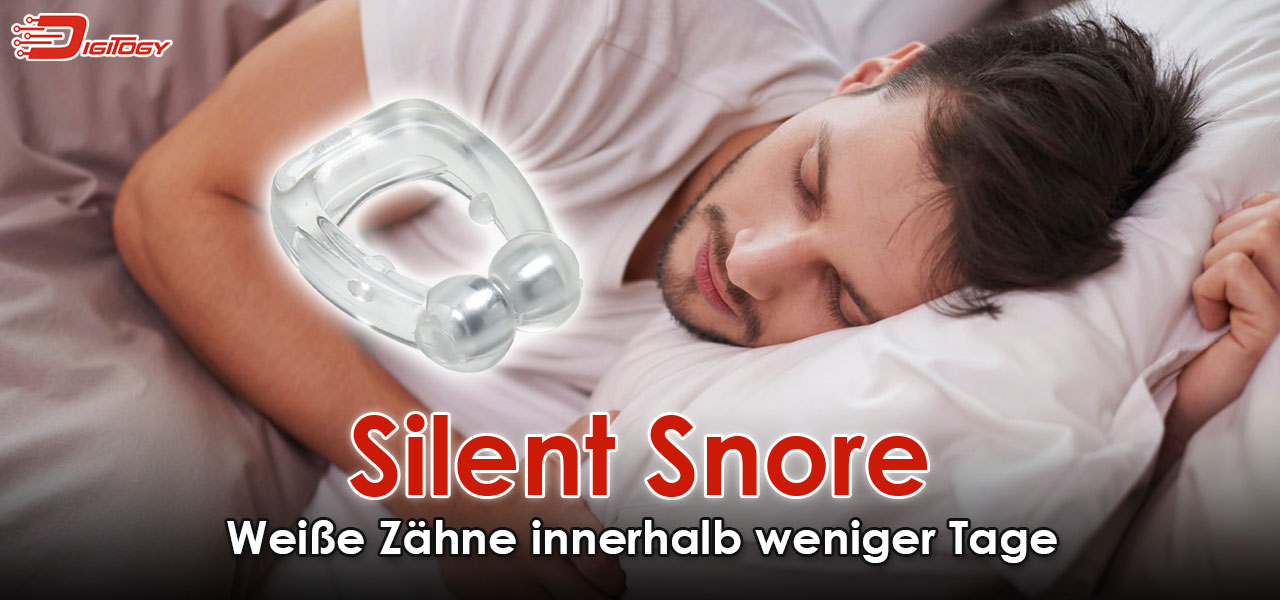
Silence the Snore: Your Guide to Causes, Tips, and Effective Aids
Snoring is far more than just a nuisance; it's a widespread phenomenon that can disrupt sleep quality for both the snorer and their bed partner, affecting relationships, productivity, and overall well-being. Estimates suggest that around 60% of men and 40% of women snore occasionally or regularly, making it a common concern. But the pressing question remains: Was Hilft Wirklich Gegen Schnarchen? What truly helps against snoring? This comprehensive guide delves into the underlying causes, offers practical tips, and explores effective aids to help you find a quieter, more restful night's sleep.Unmasking the Causes: Why Do We Snore?
At its core, snoring is a sound generated by obstructed airflow during sleep. As you drift into deeper sleep, the muscles in your throat relax, potentially narrowing your upper airway. When air attempts to pass through this constricted space, it causes the surrounding soft tissues – such as the soft palate, uvula, and tongue – to vibrate, producing that familiar, often irritating, sound. Understanding the specific factors that contribute to this narrowing is the first step toward finding effective solutions. Here are some of the most common culprits behind nocturnal noise:- Relaxation of Throat Muscles: During deep sleep, the muscles supporting your airways, including those in your throat and tongue, relax significantly. This can allow them to fall back and partially block the air passage.
- Tongue Position: For many back sleepers, the tongue tends to fall backward into the throat, obstructing airflow and contributing significantly to snoring.
- Anatomical Obstructions: Enlarged tonsils, adenoids (polyp-like growths), or a deviated nasal septum can physically narrow the airways. A smaller or receding jaw can also predispose individuals to snoring.
- Nasal Breathing Problems: Anything that makes nasal breathing difficult – such as a stuffy nose from allergies or a cold, nasal polyps, or structural issues – can force you to breathe through your mouth, increasing the likelihood of snoring.
- Obesity: Excess fatty tissue around the neck and throat can put pressure on the airways, constricting them and making them more prone to collapse during sleep. Even a modest weight gain can trigger or worsen snoring.
- Alcohol and Sedatives: Consuming alcohol or taking sedatives before bedtime relaxes the throat muscles even further than usual, exacerbating airway collapse and leading to louder, more frequent snoring.
Simple Strategies for Quieter Nights: Lifestyle Adjustments and Home Remedies
The good news is that not every form of snoring requires medical intervention. Often, simple lifestyle changes and behavioral adjustments can significantly reduce or even eliminate snoring. When considering was hilft wirklich gegen Schnarchen in the simplest terms, these are often the first and most effective steps:- Change Your Sleeping Position: Sleeping on your back allows gravity to pull your tongue and soft palate backward, narrowing your airway. Switching to side sleeping can keep your airway more open. Try using a body pillow or even sewing a tennis ball into the back of your pajama top to prevent rolling onto your back.
- Weight Management: Even a modest weight loss can make a significant difference. Reducing excess fatty tissue around your throat can alleviate pressure on your airways, allowing for smoother breathing. Focus on a balanced diet and regular physical activity.
- Limit Alcohol and Sedatives: Avoid alcohol and muscle relaxants for several hours before bedtime. This will prevent your throat muscles from becoming overly relaxed and collapsing during sleep.
- Optimize Your Sleep Environment:
- Elevate Your Head: Raising the head of your bed by a few inches or using an ergonomic pillow designed to support your head and neck in an optimal position can help keep your airways open.
- Address Nasal Congestion: If allergies or a cold are causing a stuffy nose, use nasal sprays (short-term), saline rinses, or allergy medication to clear your nasal passages before bed.
- Maintain Air Quality: Use a humidifier if the air in your bedroom is dry, as dry air can irritate the throat and nasal membranes.
- Mouth and Throat Exercises: Strengthening the muscles in your mouth, throat, and tongue can make them less likely to relax and obstruct your airway. Specific exercises, sometimes called "myofunctional therapy," involve repetitive movements like sliding your tongue back and forth, pressing your tongue against your palate, or singing. Consistency is key for these anti-snore trainings.
Advanced Aids and Medical Interventions: When More is Needed
If simple measures aren't enough, a variety of medical and technical aids are available to help manage snoring. These options provide additional support where lifestyle changes might fall short, offering further answers to was hilft wirklich gegen Schnarchen.- Nasal Strips and Dilators: These over-the-counter devices are applied to the outside of the nose or inserted into the nostrils. They work by physically widening the nasal passages, improving airflow and encouraging nasal breathing, which can reduce mouth breathing and associated snoring.
- Anti-Snore Mouthpieces (Mandibular Advancement Devices - MADs): These custom-fitted or boil-and-bite devices resemble sports mouthguards. They work by gently moving the lower jaw and tongue slightly forward during sleep. This action helps to keep the airway open by preventing the tongue from falling back and the soft palate from collapsing.
- CPAP Devices (Continuous Positive Airway Pressure): Primarily prescribed for obstructive sleep apnea (OSA), a more serious condition characterized by repeated breathing pauses during sleep, CPAP machines deliver a continuous stream of pressurized air through a mask. This constant air pressure keeps the airway open, effectively eliminating both apnea events and snoring. If your snoring is accompanied by gasping, choking, or excessive daytime sleepiness, a CPAP device might be recommended after a professional diagnosis.
- Surgical Options: In some cases, if snoring is caused by specific anatomical issues that haven't responded to other treatments, surgical procedures may be considered. These could involve removing enlarged tonsils or adenoids, correcting a deviated septum, or tightening soft palate tissue. Surgical options are typically a last resort and are discussed thoroughly with a specialist.
Bringing Peace to the Bedroom: Support for Partners
While the snorer is often unaware of their nightly symphony, their partner frequently bears the brunt of the disturbance, suffering from fragmented sleep and chronic fatigue. It’s crucial to acknowledge this impact and seek solutions that offer respite. When addressing was hilft wirklich gegen Schnarchen, it's equally important to consider what helps the partner cope.If direct snoring solutions are still being explored, or even as a complementary measure, high-quality earplugs can provide immediate relief. It's important to choose the right type:
- Silicone Earplugs: Unlike many conventional foam earplugs, silicone earplugs are often praised for their comfort and effectiveness. They conform individually to the shape of the ear canal, creating a better seal and superior noise reduction. They are also durable and more pleasant to wear for extended periods, allowing partners to enjoy truly undisturbed, restful nights.
- Noise-Cancelling Headphones/White Noise Machines: These can also provide a buffer against snoring sounds, helping the partner to fall asleep and stay asleep more easily.
Open communication and a shared commitment to finding a solution are vital for maintaining a healthy relationship when snoring is a factor. Remember, addressing snoring is a journey for two.
When to Seek Professional Help: Recognizing Red Flags
While many cases of snoring are benign, some forms can indicate a more serious underlying health condition, such as obstructive sleep apnea (OSA). It’s crucial to know when to consult a healthcare professional. You should absolutely seek medical advice if:- Your snoring is excessively loud and frequent.
- You or your partner observe breathing pauses, gasping, or choking during sleep.
- You experience constant daytime fatigue, even after a full night's sleep.
- You wake up with a dry mouth or sore throat regularly.
- You have morning headaches or difficulty concentrating.
Untreated sleep apnea can have serious long-term health consequences, including an increased risk of high blood pressure, heart attack, stroke, and diabetes. A sleep specialist can accurately diagnose the cause of your snoring and recommend the most appropriate treatment plan. For more detailed information on this topic, consider reading our article on Snoring and Sleep Apnea: When to See a Doctor and What Helps.